What to Look For in a GEO Service Provider Before You Sign On
Reads 411
29 Jul. 2026 - Amy Firbank - Total Reads 522
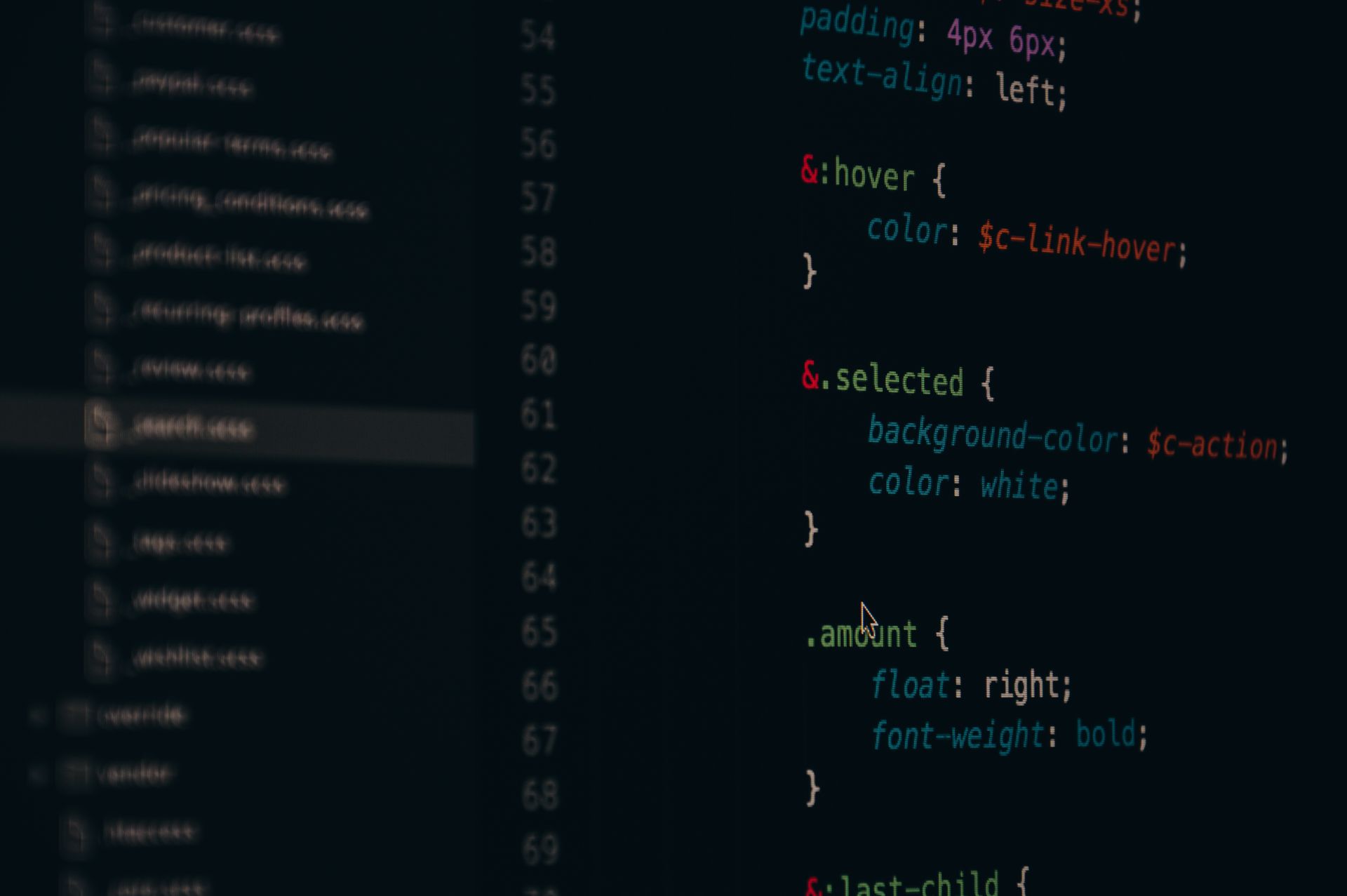
A web development company today is likely using AI to generate a meaningful share of your site’s code, and that changes what you should ask upfront. Two years ago, this wasn’t much of a consideration most sites were still built the same way they had been for a decade, one developer typing out templates and custom functions by hand. That’s no longer the default, and the shift is worth understanding before you brief a project, not after it’s delivered.
AndMine is a Melbourne-based digital agency building websites and web platforms for Australian businesses, and this piece looks at what’s changed in how sites actually get built, and what to check for in a project brief or contract as a result.
Personally speaking, On most of these projects, AI can generate a substantial share of the boilerplate: standard page templates, common component patterns, CSS scaffolding, and first-pass responsive layouts. All of this is mechanical, well-understood work with established answers, and AI gets this right about 80% of the time.
What still needs a human developer’s direct attention is anything specific to your business: custom integrations with a booking system or CRM, non-standard functionality your competitors don’t have, performance optimization for your particular traffic patterns, and accessibility compliance that goes beyond a generic checklist. This matters because a quote that sounds impressively fast for “the whole site” may reflect real efficiency on the templated parts while still needing the same amount of time on the custom parts the total time saved depends heavily on how much of your site is genuinely custom versus how much fits an established pattern.
A best web development company distinguishes itself less by claiming to use AI most providers do now and more by how they handle the parts AI doesn’t do well. A few practical signs of a provider doing this properly:
● Can explain which parts of your specific site will be AI-assisted and which need custom development
● Quote reflects that distinction, rather than a single blended day-rate regardless of complexity
● Tests AI generated code for the same things they’d test hand-written code: cross-browser behavior, load time, accessibility, and security
● Can point to a recent project where AI-generated code needed correction, and explain what they changed
A provider who presents “we use AI” as the entire value proposition, without being able to speak to how they verify the output, is a weaker signal than one who’s specific about where AI helps and where it doesn’t.
This is a newer consideration for web development contracts, and it’s worth raising directly with any web development services company you’re evaluating. A reasonable AI-use clause in a project agreement should cover a few specific points: which categories of code may be AI-generated, what review process applies before deployment, who owns the resulting code (this is usually not in dispute, but worth confirming explicitly), and what happens if AI-generated code introduces a defect after launch is that covered under the standard warranty period, the same as any other bug.
Few contracts explicitly address this, which means it’s often left to be assumed rather than agreed and raising it directly, even as a simple question rather than a formal clause, tends to surface whether the service provider has actually thought this through or is treating AI use as an implementation detail not worth discussing with the client.
The practical risk with AI-generated web code isn’t usually that it looks broken, it typically renders and functions correctly in a browser during testing, the real risk is in what doesn’t show up during a quick review: security headers not properly configured, form inputs not sanitised against injection, or accessibility attributes missing in ways that only surface with a screen reader or an audit tool, not a visual check, None of this fails the demo, It surfaces later, sometimes in a security scan, sometimes in a client complaint about how the site behaves for a user with a disability.
A practical mitigation, similar to what applies in software development generally, is asking the provider whether security and accessibility testing is a standard, documented step in their process, separate from functional testing, rather than assumed to be covered by the same quick check.
Straightforward marketing sites and standard business websites have genuinely gotten faster and often somewhat cheaper to build, largely because the templated components that make up most of these sites are exactly what AI tools handle well. Complex sites with heavy custom functionality booking systems, membership portals, non-standard integrations see a smaller change in cost and timeline, because that’s the part of the build that still needs the same senior developer attention it always did.
A useful question when comparing quotes is asking each provider to break down their estimate between templated and custom work, rather than accepting a single total. This makes it easier to judge whether a lower quote reflects genuine efficiency on the parts that can be sped up, or an unrealistic assumption about how much of your specific project is actually templated.
This breakdown is also useful after the project starts, not just when comparing initial quotes. If a scope change comes up midway through the build a new integration request, an added feature asking whether it falls into the templated or custom category helps set a realistic expectation for how much extra time and cost it should genuinely add, rather than treating every change request as equally quick just because AI has sped up the easier parts of the build.
Not inherently. Quality depends on whether the code is properly reviewed and tested, particularly for security and accessibility, not on whether AI was involved in writing it.
Yes it’s a reasonable question in 2026, and a provider’s ability to answer specifically, rather than generically, is a useful signal of how closely they’ve thought about your particular project.
For templated, standard components, often yes. For custom functionality specific to your business, the cost tends to stay closer to previous levels, since that’s the work AI assists with least.
At minimum, clarity on which categories of code may be AI-assisted, what review process applies, and whether defects in AI-generated code are covered under the standard warranty period.
AI has genuinely changed how most websites get built, speeding up the templated, mechanical parts of a project without removing the need for skilled human developers on the custom parts. The businesses getting the best outcomes in 2026 are asking their web development company specific questions about where AI sits in the process, what gets reviewed, and how the contract addresses AI-generated code, rather than assuming these details are settled by default.
If you’re briefing a web project and want a clear answer on how AI will factor into your build, get in touch with AndMine for a straightforward conversation.
Go on, see if you can challenge us on "Web Development Company: What AI-Generated Code Means for Your Project in 2026" - Part of our 184 services at AndMine. We are quick to respond but if you want to go direct, test us during office hours.
Add Your CommentIt is great working with such a dedicated and competent team in this ever changing space and I would highly recommend Michael and his work. Stephanie Clayton, Marketing Services Manager, Ego Pharmaceuticals
More Testimonials